


Page 13 - Buku_Utama_ANMS_21122021_compressed
P. 13
Understanding
i
U
g
a
d
s
e
d
t
n
r
n
n
H
A
s
I
O
E
N
A
V
L
S
C
C
E
U
BEHAVIOURAL SCIENCEs
E
I
B
R
e
t
e
c
e
n
i
n
a
i
n
s
x
v
d
i
m
a
e
i
f
c
s
r
e
i
d
r
i
a
n
p
i
l
y
e
h
s
t
e
b
-
a
a
d
n
d
t
l
,
i
s
a
i
h
v
c
e
h
o
e
e
n
u
l
r
w
a
p
s
i
o
o
e
e
e
s
c
l
B
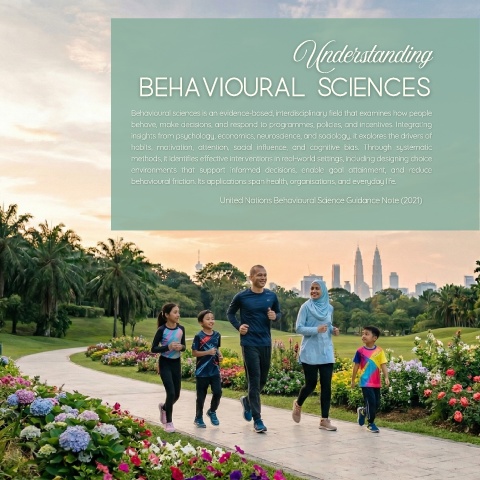
Behavioural sciences is an evidence-based, interdisciplinary field that examines how people
p
g
behave, make decisions, and respond to programmes, policies, and incentives. Integrating
,
r
,
b
t
m
o
p
e
g
,
p
a
a
m
i
l
i
a
t
e
c
h
i
m
n
o
r
g
e
o
s
r
e
a
s
e
v
n
.
d
d
n
a
e
e
n
i
r
c
s
i
i
e
s
i
o
v
,
n
t
n
c
s
n
o
p
k
d
t
a
d
n
s
I
e
e
x
l
e
o
o
s
v
o
,
s
y
d
e
r
i
g
l
r
o
p
e
e
c
t
r
i
s
o
h
t
i
u
c
f
r
n
o
e
r
t
s
s
e
o
m
o
s
p
n
o
y
c
,
s
i
c
m
c
o
a
n
e
s
,
i insights from psychology, economics, neuroscience, and sociology, it explores the drivers of f
l
d
g
n
o
c
g
y
e
n
i
h
,
i
h
habits, motivation, attention, social influence, and cognitive bias. Through systematic
h a b i t s , m o t i v a t i o n , a t t e n t i o n , s o c i a l i n f l u e n c e , a n d c o g n i t i v e b i a s . T h r o u g h s y s t e m a t i c
i
n
e
g
i
s
f
t
i
s
h
h
t
c
o
e
c
methods, it identifies effective interventions in real-world settings, including designing choice
e
o
m
i
d
i
i
n
e
d
n
g
,
s
t
i
e
n
s
i
e
g
r
i
o
n
n
s
,
l
r
t
e
s
d
o
l
n
a
i
t
w
-
i
i
g
t
v
i
e
n
f
f
e
e
c
d
e
n
e
r
v
l
u
d
t
i
t
n
c
environments that support informed decisions, enable goal attainment, and reduce
e n v i r o n m e n t s t h a t s u p p o r t i n f o r m e d d e c i s i o n s , e n a b l e g o a l a t t a i n m e n t , a n d r e d u c e
behavioural friction. Its applications span health, organisations, and everyday life.
b e h a v i o u r a l f r i c t i o n . I t s a p p l i c a t i o n s s p a n h e a l t h , o r g a n i s a t i o n s , a n d e v e r y d a y l i f e .
United Nations Behavioural Science Guidance Note (2021)
U n i t e d N a t i o n s B e h a v i o u r a l S c i e n c e G u i d a n c e N o t e ( 2 0 2 1 )

